Gallery
Paintings & the lineage
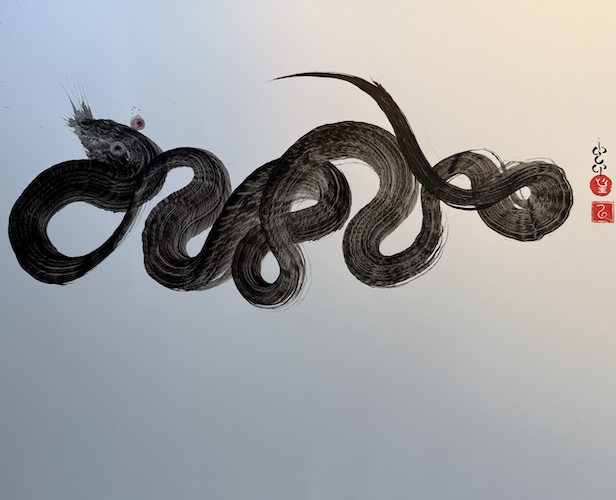
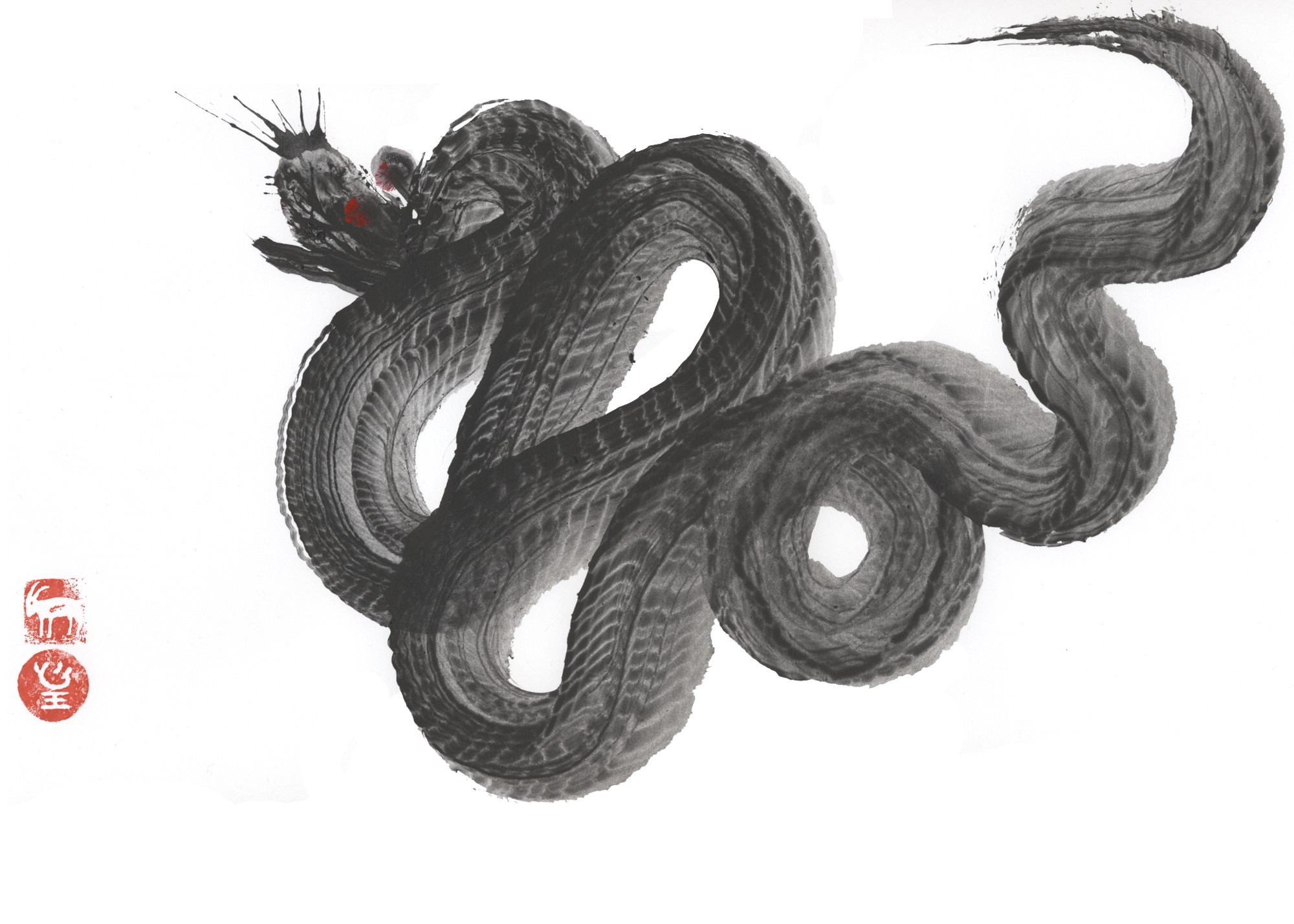
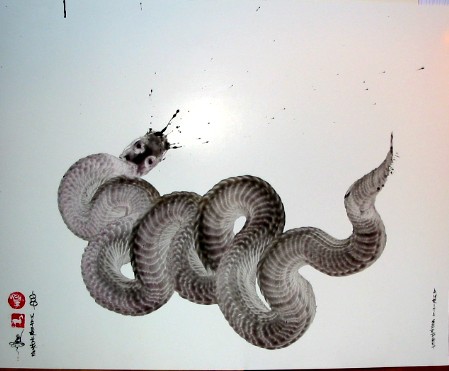
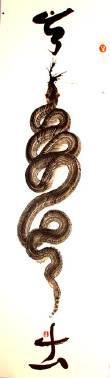
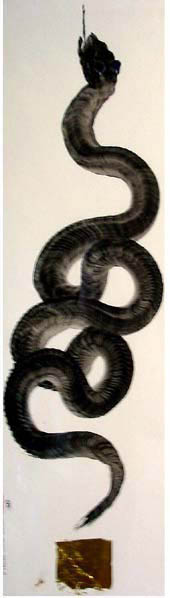
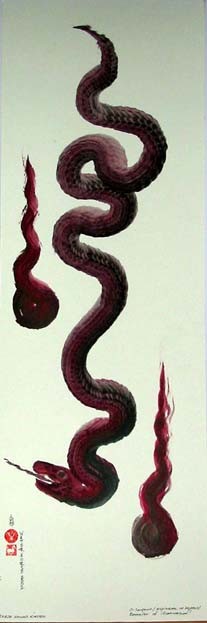
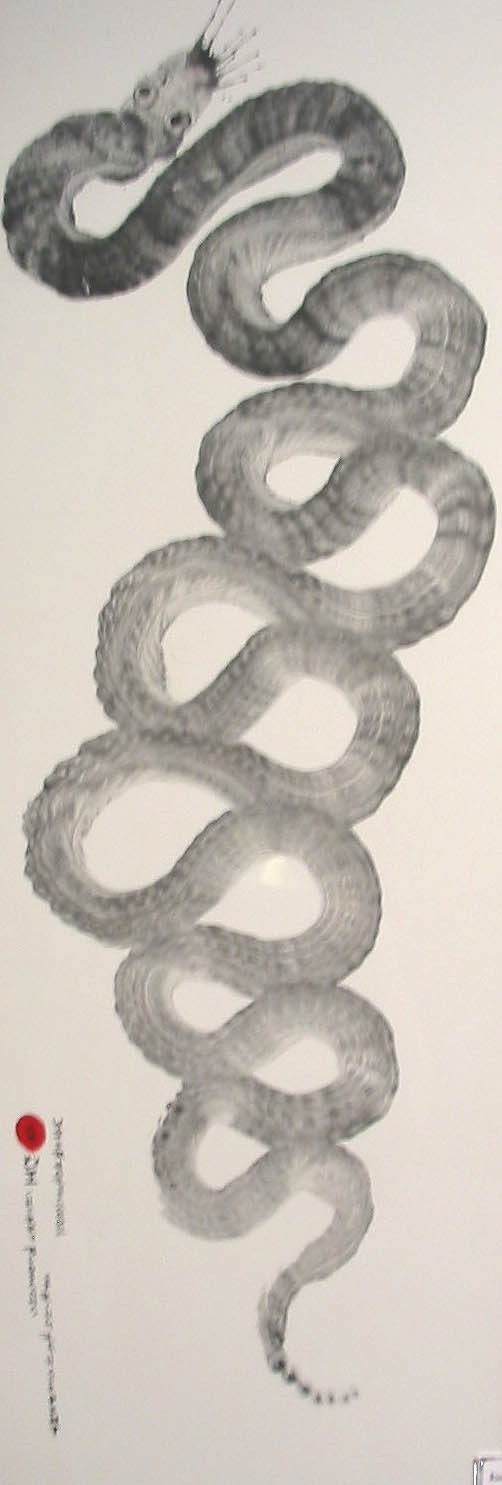
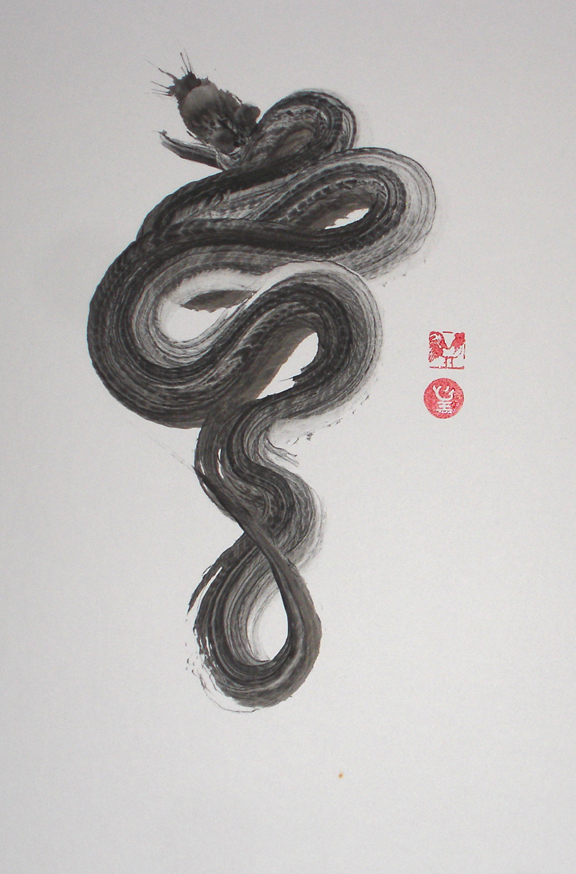
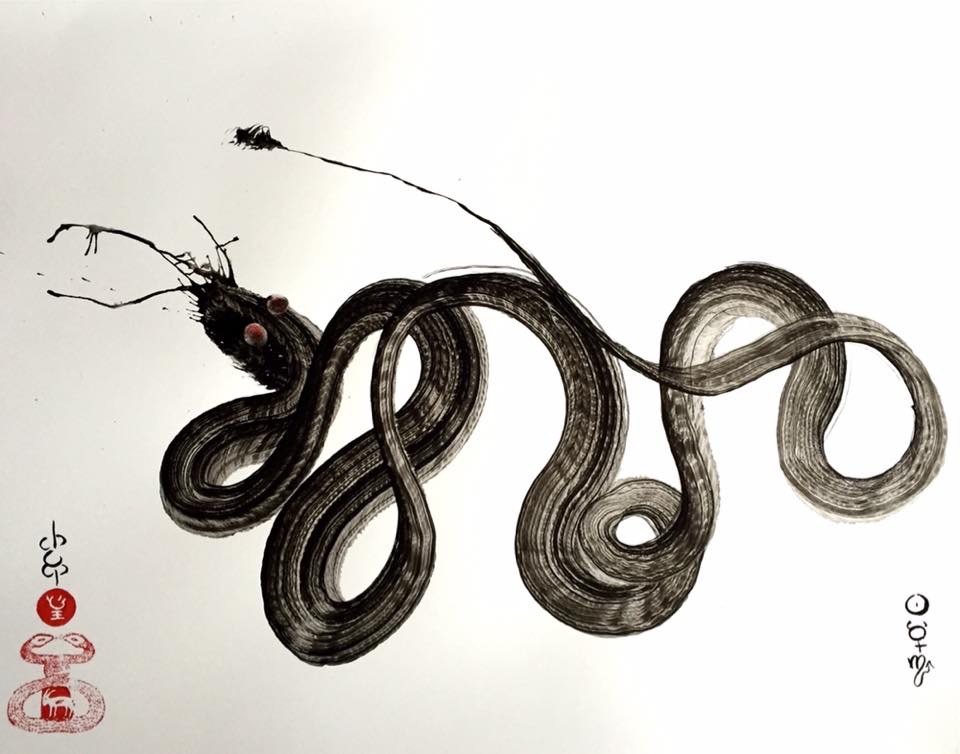
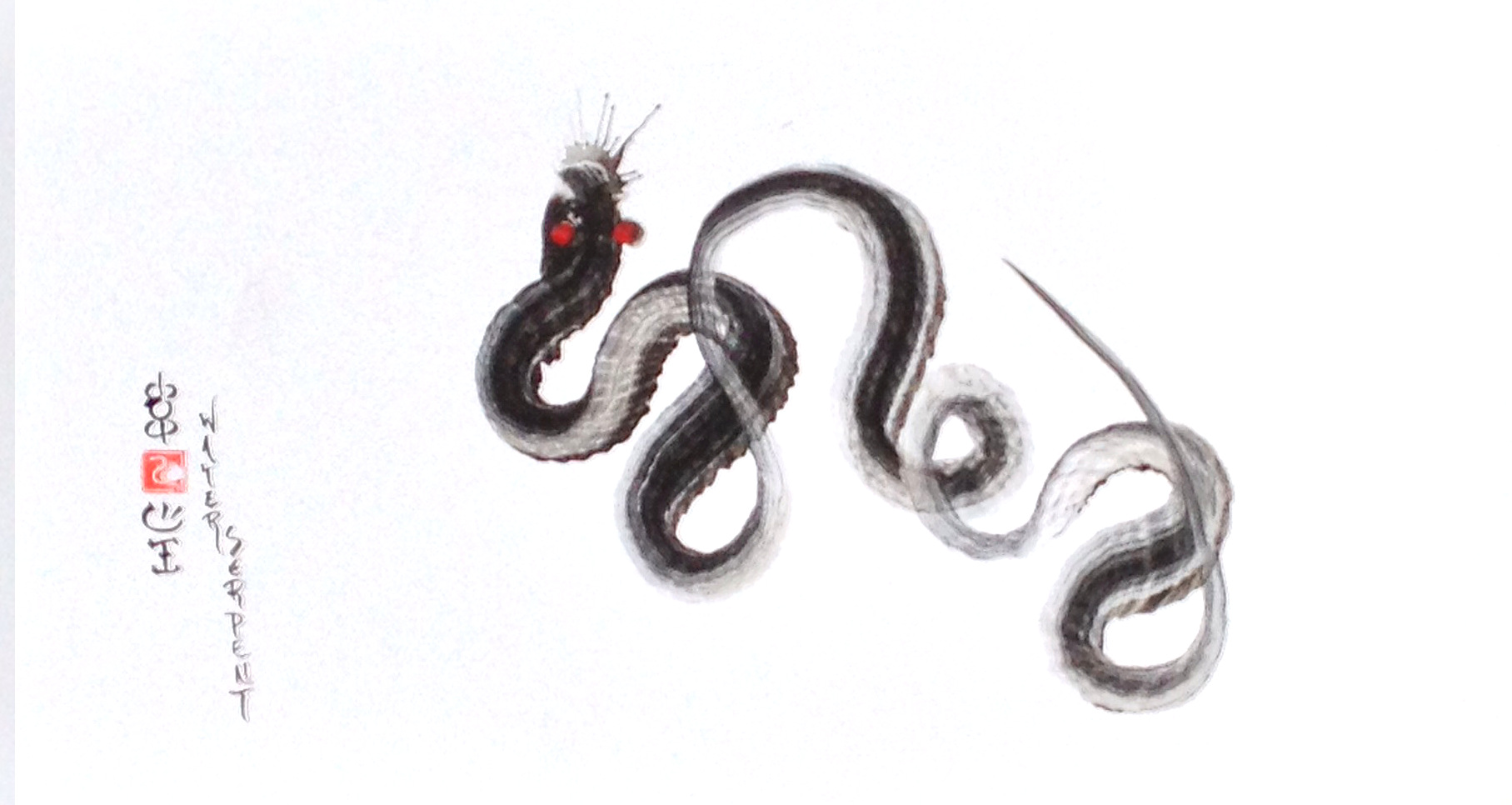
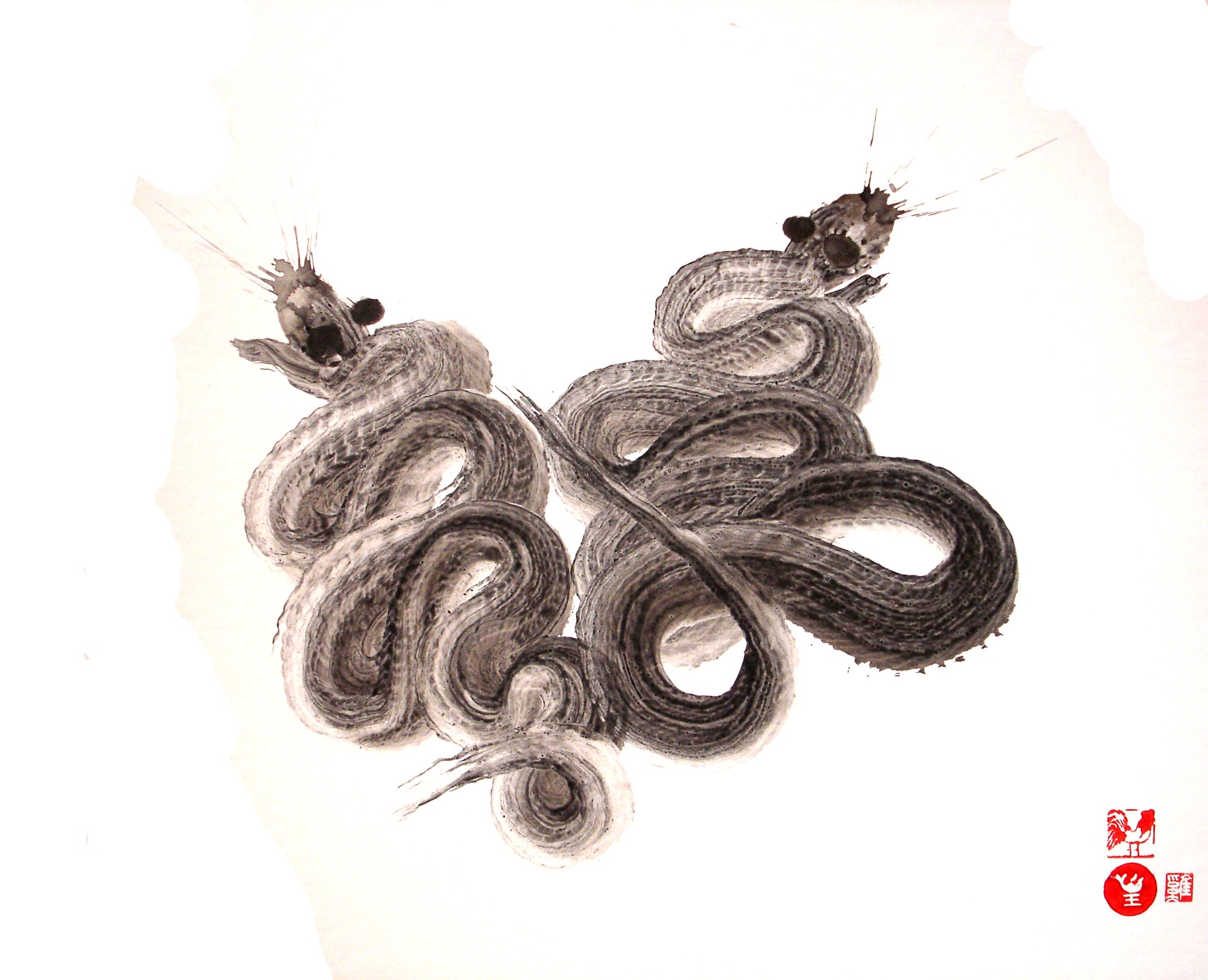
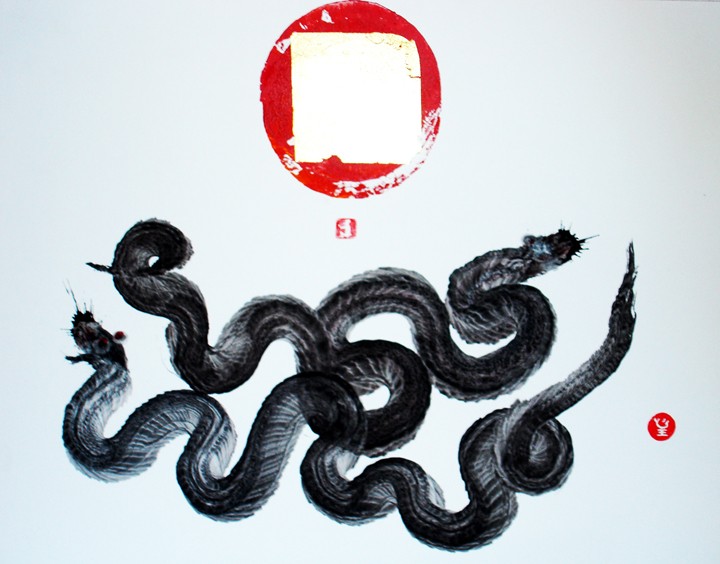
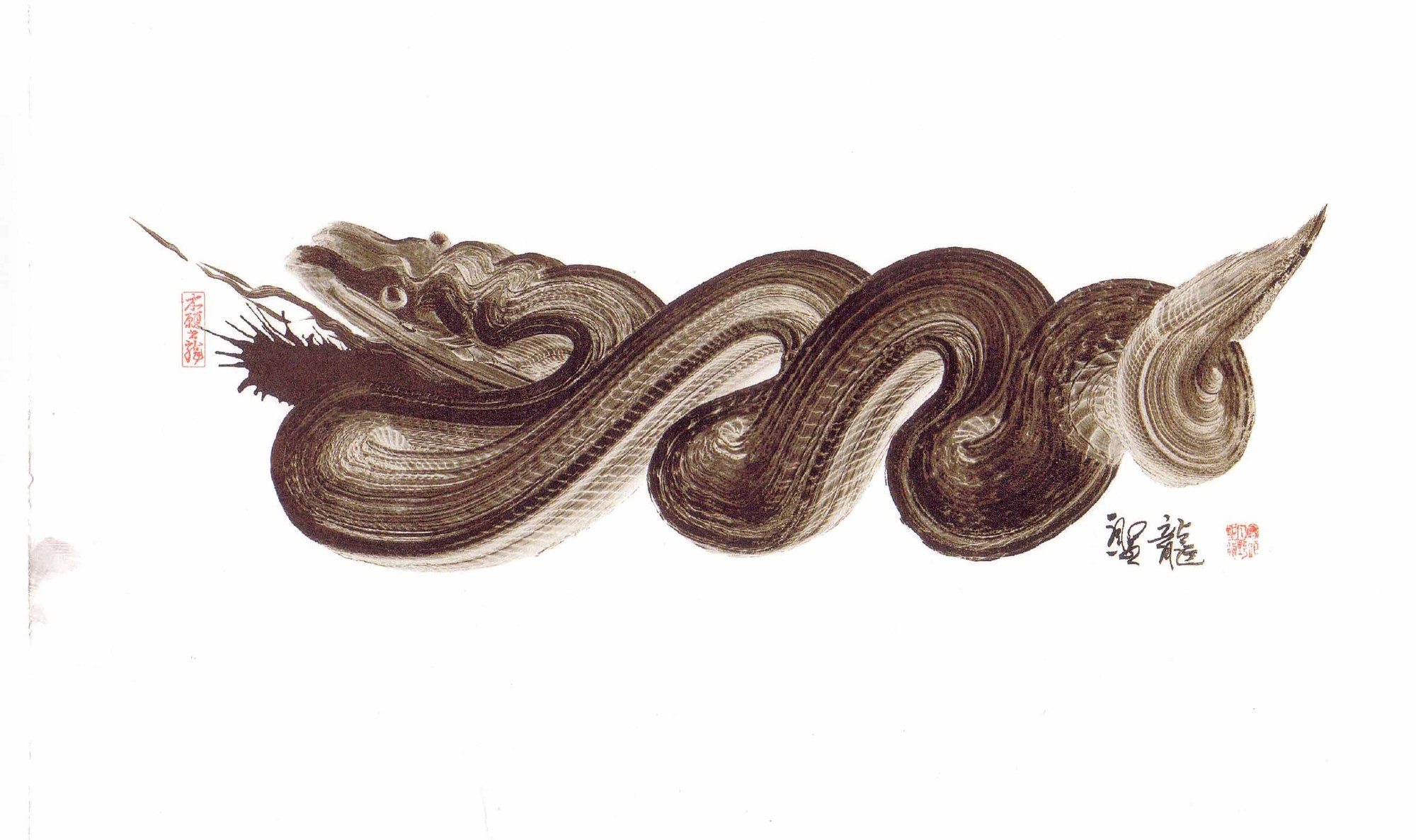
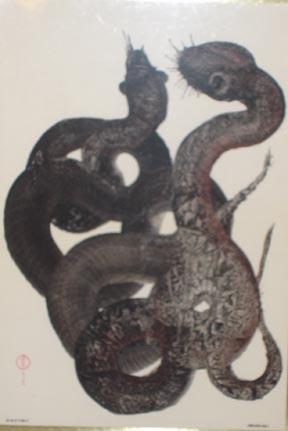
A selection of past serpent paintings: solitary, entwined, reaching between heaven and earth. Each work takes its own form in the movement of the brush.
Use the arrows, choose a number, or swipe to explore twelve past paintings. These are archive examples; your commission will be a new original. All paintings are on flat white paper; photographed tones vary with lighting.
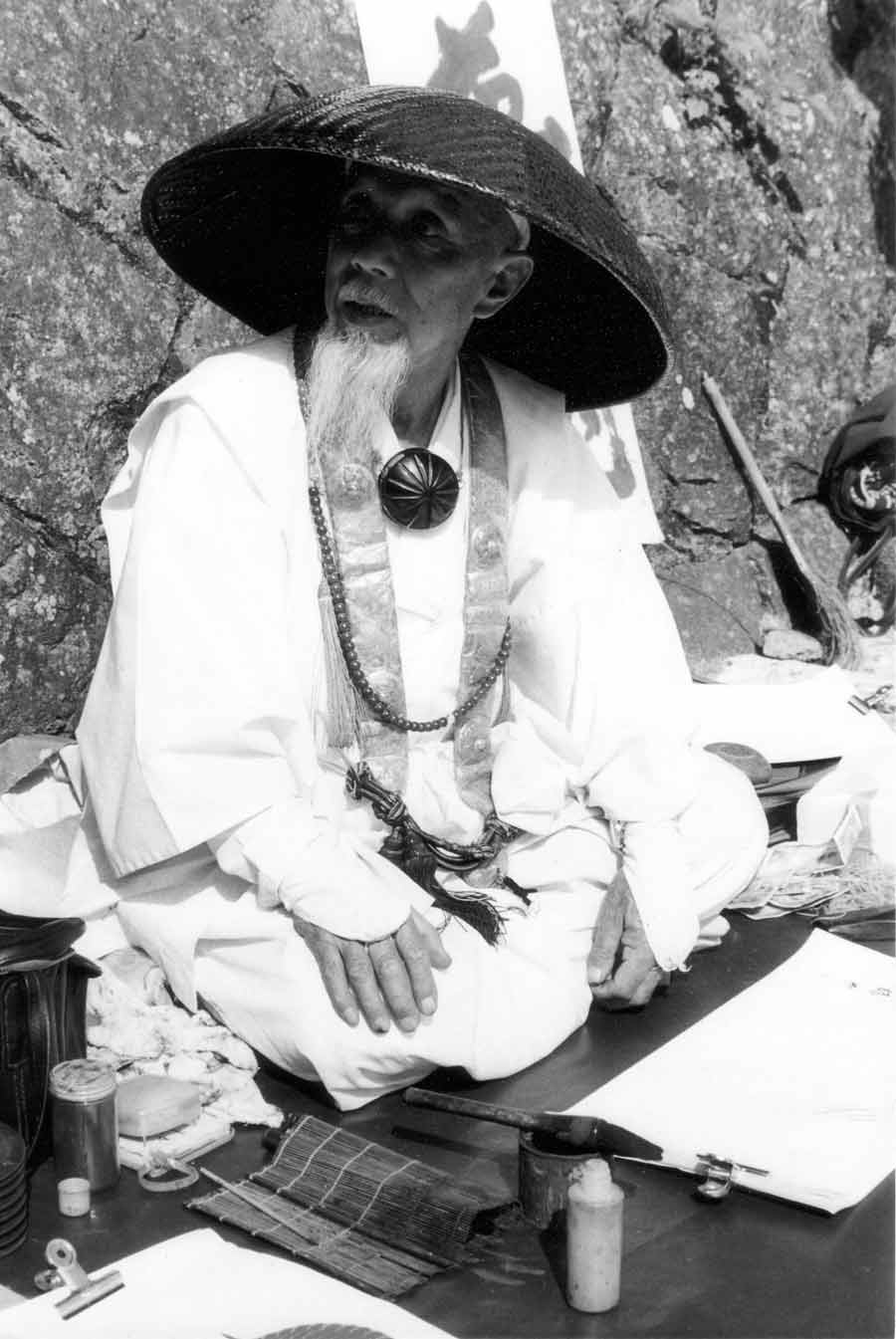
Kendo Kano & the painting lineage
A tradition
passed by hand.
Kendo Kano was the Yamabushi priest who passed this particular serpent painting tradition to my grandfather, Richard Daiensai Kirsten. My grandfather, in turn, passed it to me.
Kendo Kano → Richard Daiensai Kirsten → Dorje Kirsten
“I am not a Yamabushi priest. I carry forward the painting tradition that my grandfather received from Kendo Kano.”
— Dorje Kirsten
Read Richard Daiensai Kirsten’s complete account, “Master Dragon Painter of Japan” ↗
The Yamabushi in Japanese life
Yamabushi are mountain ascetics associated with Shugendō, a Japanese religious tradition shaped by sacred-mountain worship, esoteric Buddhism, and traditions of the kami. Mountain pilgrimages and rigorous ascetic training have long been central to their practice.
Their historical role also extended into everyday community life. Yamabushi guided pilgrims, linked villages with sacred mountains, and performed prayers, purification, and protective and healing rites. Many lived in villages, where their ritual work served local people. Shugendō was suppressed during the Meiji period and re-emerged in organized forms after the Second World War; its traditions continue today.
Historical background: Kokugakuin University, Encyclopedia of Shinto · Japan Search, “Shugendo”.
Works from the lineage
From teacher
to student.
Historical works from the family archive, shown with their artists’ names.
Commission a new serpent painting in a vertical or horizontal composition, made for your space.
Commission your serpent ↗